
Professional Development
Training that changes what happens in the room on Monday — for teachers, aides, and the caregivers who shape how young children behave
How do the adults in your building learn best?
Training fails for the same reason support fails with children: it is built for how people "should" learn. 6 questions to find the intelligence your staff lead with — and which training to start with.
Free, no obligation, and the result is yours whether or not you ever work with us.
The adults are the system
Behavior that looks like a child problem is almost always an adult-systems problem: expectations nobody wrote down, feedback that arrives too late, and routines that change every time a staff member does.
Professional development closes that gap. I come in, pinpoint what is actually driving the incidents, and train the people who are already in the room — so the skill stays in your building after the contract ends.
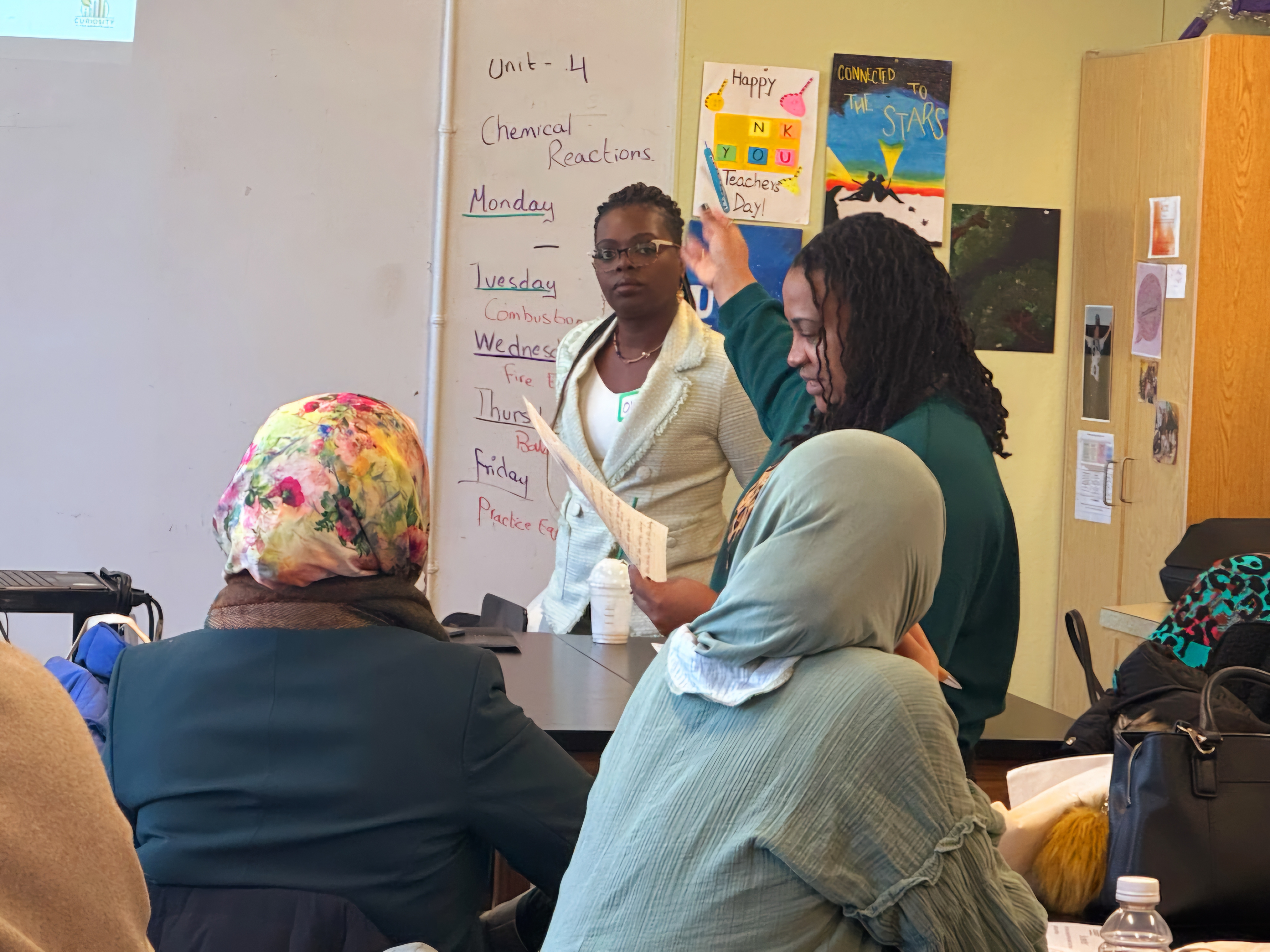
Why schools and early learning programs buy professional development
The reasons are written into the calendar and the regulations, not just the budget.
Required annual hours
Texas licensed child care centers must give each caregiver 24 clock hours of training a year, and each director 30. Your workshops count toward those hours.
On the required topic list
At least 6 of the 24 hours must cover guidance and discipline or teacher-child interaction. The three pillars fit those areas directly.
Live training counts most
At least 5 of the annual hours must be instructor-led, so in-person and live virtual workshops are in demand all year.
Turnover makes it recurring
Every vacancy means ratio problems and new hires who need training. New-hire training is built into the annual contract.
Professional development pricing
Training Tiers & Investment
Start with a half-day workshop, or begin with the audit. Every engagement opens with a free 20-minute strategy call so we scope the right tier before you commit.
Door-opener
Behavior Detective Training
Half day · 3 clock hours · on site or live virtual
- What drives a behavior — and how to respond before it escalates
- Staff practice pinpointing the function behind real classroom examples
- Teaching students to ask for help, a break, or a turn instead of escalating
- Certificates of attendance with clock hours for every participant
Assessment
Behavior Systems Audit
Two observation days · report within two weeks
- Review of special education files, intake, incident tracking, and support plans
- Walk-throughs of classrooms, routines, transitions, and room setup
- State compliance check plus a review of all three pillars
- Executive assessment report and a 90-day corrective action roadmap
Core implementation
The Steady Classroom
Per campus per semester · billed in installments
- Cohort professional development for teachers, aides, and paraprofessionals
- Systems rollout with in-room coaching and fidelity checks
- RBT training pipeline — trained staff who stay after the engagement
- Monthly administrative oversight briefings
Annual partnership
Behavior Systems for Schools
Per campus per year · or $2,500 billed monthly
- A new Behavior Systems Audit each fall
- The training series delivered every year for new and returning staff
- License to the proprietary toolkits, templates, and onboarding systems
- Quarterly compliance audits and fractional advisory
Prices are starting points. Scope, campuses, and deliverables are written into a Statement of Work before any work begins.
How a professional development engagement works
The P.I.V.O.T.A.L.™ Process for Staff Training
We pinpoint what is driving the behavior, identify the contingencies behind it, make the workflow visible, train the staff with coaching and feedback, and hand over a system that holds when people leave.
Pinpoint
Name the behavior in plain, observable terms — what a camera would catch. No labels, no guessing at motives.
Identify
Identify the function: what the behavior gets the person, and what the environment keeps reinforcing.
Visualize
Put the goal and the data in one picture the whole team can read the same way — no competing versions of the story.
Operant training
Teach the replacement skill through reinforcement, practiced in the setting where the behavior actually happens.
Track
Track progress on a schedule, so every decision rests on data instead of memory, mood, or the loudest voice.
Align
Align every adult, script, and consequence to the same contingencies, so no one quietly undoes the work.
Lasting results
Transfer the system to the people who live and work there, so the gains hold without a consultant in the room.
One method
Every engagement runs these seven steps in order. The setting changes; the architecture does not.
What Happens When You Book
Three simple steps from overwhelmed to in motion — no red tape, no guesswork.
Book the free 20-minute call
Pick a time on the calendar — no forms and no payment.
We scope the training
A focused conversation about your campus or center, your staff, and the tier that fits.
Your staff starts learning
Workshop dates get held and a Statement of Work follows the same day.