
School Systems
Stop labeling the 'bad one.' Build the three pillars across every classroom—not just one student at a time
School Systems
Every school has a "bad one"—a student the system keeps blaming instead of fixing. I was that child. Our B2B systems stop the labeling and build the three pillars across every classroom, not just one student at a time. We help you pass state audits, prevent clawbacks, and maximize special-education and compensatory education funding—reducing liability for directors and administrators. You set the scope, hours, deliverables, and price, paid from dedicated programmatic funds.
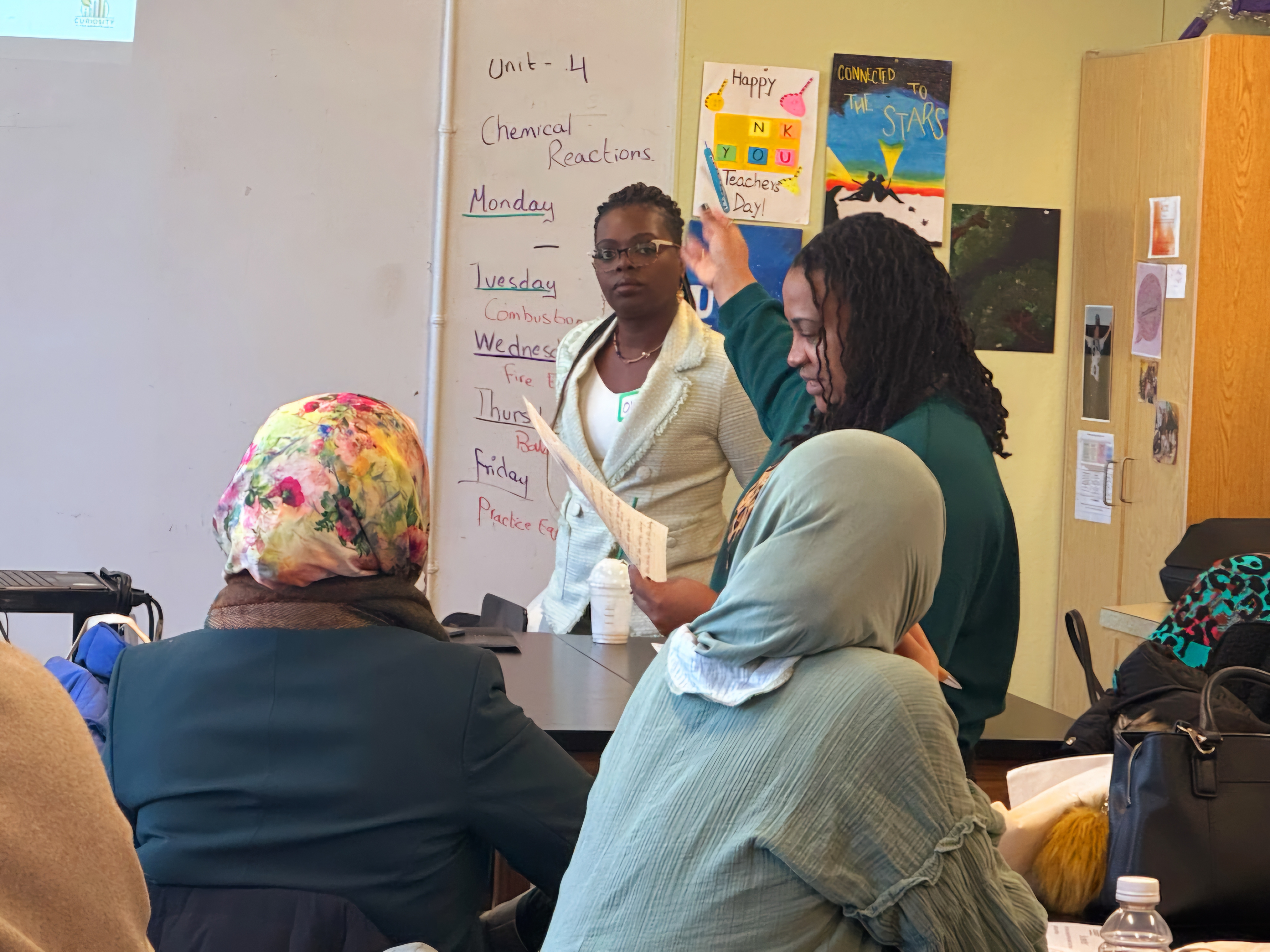

Olivia Brewer leading a customized leadership & inclusion workshop with educators
Why take this assessment
See where risk hides
Find the compliance gaps that trigger clawbacks before an auditor does.
Fix the system, not the child
Learn whether the leak is training, routines, or documentation.
Leave with a first step
Get the one thing to address this month, in priority order.
Under two minutes. Free. No labels, no obligation.
Where are your school's behavior systems leaking?
Answer 5 quick questions and we'll show you exactly where your risk is — and what to fix first.
Rate each area honestly. We'll score your risk and show you exactly where your school needs support — then suggest your next step.
1. Special Education Compliance
Unmet IEP mandates, inadequate behavior tracking, or due process exposure
2. Staff Burnout & Turnover
Aides and teachers who quit mid-year because they lack clinical training
3. Classroom Disruption & Out-of-District Placement
High tuition costs to send students to outside facilities
4. Disjointed Intake & Documentation
Scattered incident reports and missing FBAs that fail compliance reviews
5. Credentialed Clinical Leadership
Difficulty retaining on-site BCBA-level oversight
5 of 5 questions left
School pricing
The School Offer Ladder
Open with a half-day workshop, start with the audit, or go straight to the campus-wide program. Every engagement begins with a free 20-minute strategy call.
Door-opener
Behavior Detective Training
Half day · 3 clock hours · on site or live virtual
- What drives a behavior — and how to respond before it escalates
- Staff practice pinpointing the function behind real classroom examples
- Teaching students to ask for help, a break, or a turn instead of escalating
- Certificates of attendance with clock hours for every participant
Assessment
Behavior Systems Audit
Two observation days · report within two weeks
- Review of special education files, intake, incident tracking, and support plans
- Walk-throughs of classrooms, routines, transitions, and room setup
- State compliance check plus a review of all three pillars
- Executive assessment report and a 90-day corrective action roadmap
Core implementation
The Steady Classroom
Per campus per semester · billed in installments
- Cohort professional development for teachers, aides, and paraprofessionals
- Systems rollout with in-room coaching and fidelity checks
- RBT training pipeline — trained staff who stay after the engagement
- Monthly administrative oversight briefings
Annual partnership
Behavior Systems for Schools
Per campus per year · or $2,500 billed monthly
- A new Behavior Systems Audit each fall
- The training series delivered every year for new and returning staff
- License to the proprietary toolkits, templates, and onboarding systems
- Quarterly compliance audits and fractional advisory
Prices are starting points. Scope, campuses, and deliverables are written into a Statement of Work before any work begins.
The Cost of Waiting
Behavioral patterns don't pause while you decide. Every week you wait, the work gets harder — and the damage deeper.
Audit risk compounds
Every quarter of non-compliance widens the gap a state review will find. Clawbacks grow, not shrink.
Turnover costs accumulate silently
Each paraprofessional who leaves takes institutional knowledge and costs 20–30% of their salary to replace.
Out-of-district placements multiply
Every unresolved behavior increases the most expensive line item in your special education budget.
"When I wasn't sure that my son would graduate High School, Olivia worked with him via compensatory Education Funds. He is a High School Graduate. “You did that” — I am so grateful for your services."
M. Williams
Pennsylvania · May 2020
How a school engagement works
The P.I.V.O.T.A.L.™ Process for Schools
Every school engagement follows the same seven steps: we pinpoint what is driving incidents, referrals, and staff turnover, then build the training, data, and supervision systems your team keeps long after I leave.
Pinpoint
Name the behavior in plain, observable terms — what a camera would catch. No labels, no guessing at motives.
Identify
Identify the function: what the behavior gets the person, and what the environment keeps reinforcing.
Visualize
Put the goal and the data in one picture the whole team can read the same way — no competing versions of the story.
Operant training
Teach the replacement skill through reinforcement, practiced in the setting where the behavior actually happens.
Track
Track progress on a schedule, so every decision rests on data instead of memory, mood, or the loudest voice.
Align
Align every adult, script, and consequence to the same contingencies, so no one quietly undoes the work.
Lasting results
Transfer the system to the people who live and work there, so the gains hold without a consultant in the room.
One method
Every engagement runs these seven steps in order. The setting changes; the architecture does not.
What Happens When You Book
Three simple steps from overwhelmed to in motion — no red tape, no guesswork.
Request your audit
Tell us your scope, hours, and deliverables — we confirm a start date, paid from dedicated programmatic funds.
We review your systems
On-site or remote review of documentation, compliance posture, and staff capacity.
You get a findings report
Prioritized risks, funding opportunities, and a fix-first roadmap to pass your next state review.